













In today’s fast-paced hiring environment, organizations are under constant pressure to recruit quickly. However, speeding up hiring without proper due diligence can expose businesses to serious financial, legal, and reputational risks.
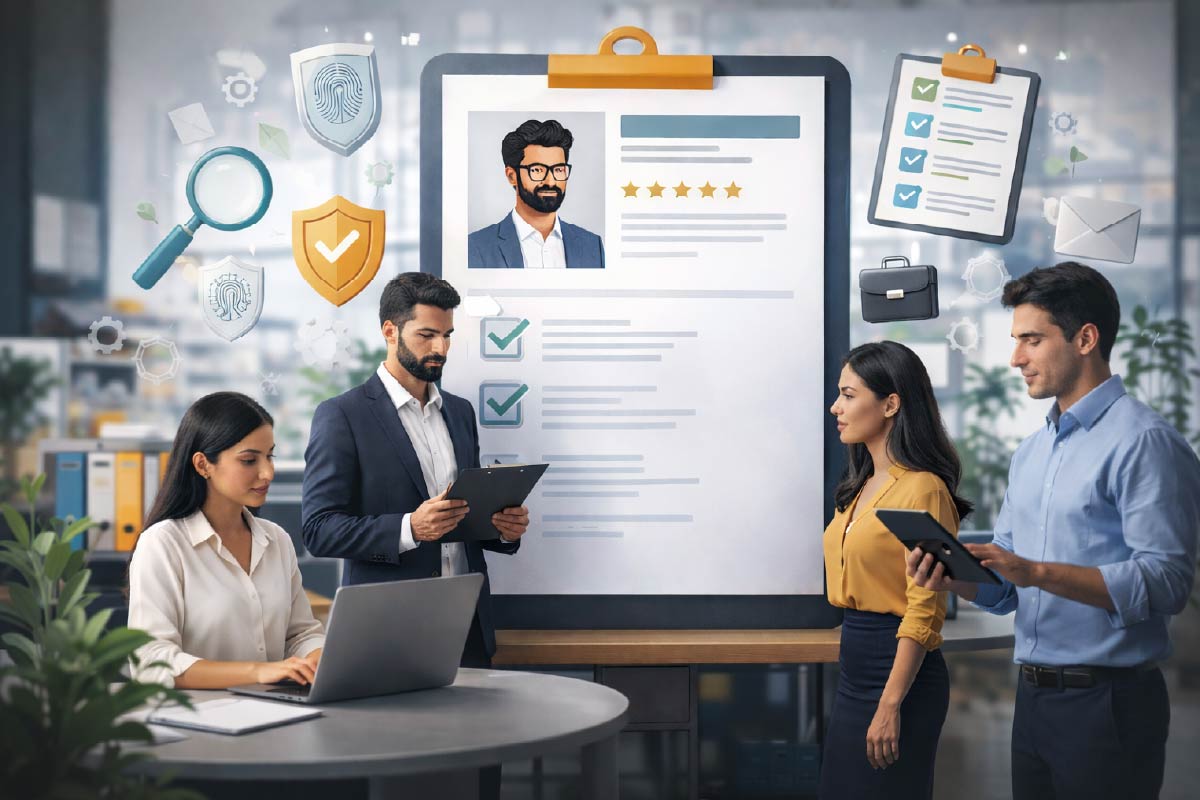
One of the most critical components of any background check is education verification. As part of comprehensive employee background verification services, it ensures that candidates truly possess the academic qualifications they claim.
For companies in India and globally, education verification is no longer optional—it is a core element of risk management in hiring.
What Is Education Verification in Background Checks?
Education verification is the process of validating a candidate’s academic credentials directly with universities, colleges, or authorized databases.
It typically includes:
-
Degree and diploma authentication
-
Verification of specialization
-
Dates of enrollment and graduation
-
Certification legitimacy
-
Accreditation status of the institution
With the rise of remote hiring, online degrees, and cross-border recruitment, verifying academic credentials has become more complex. Professional background verification companies use structured workflows and institutional outreach to ensure accurate validation before onboarding.
Why Education Verification Is Important in Hiring
1. Prevents Resume Fraud
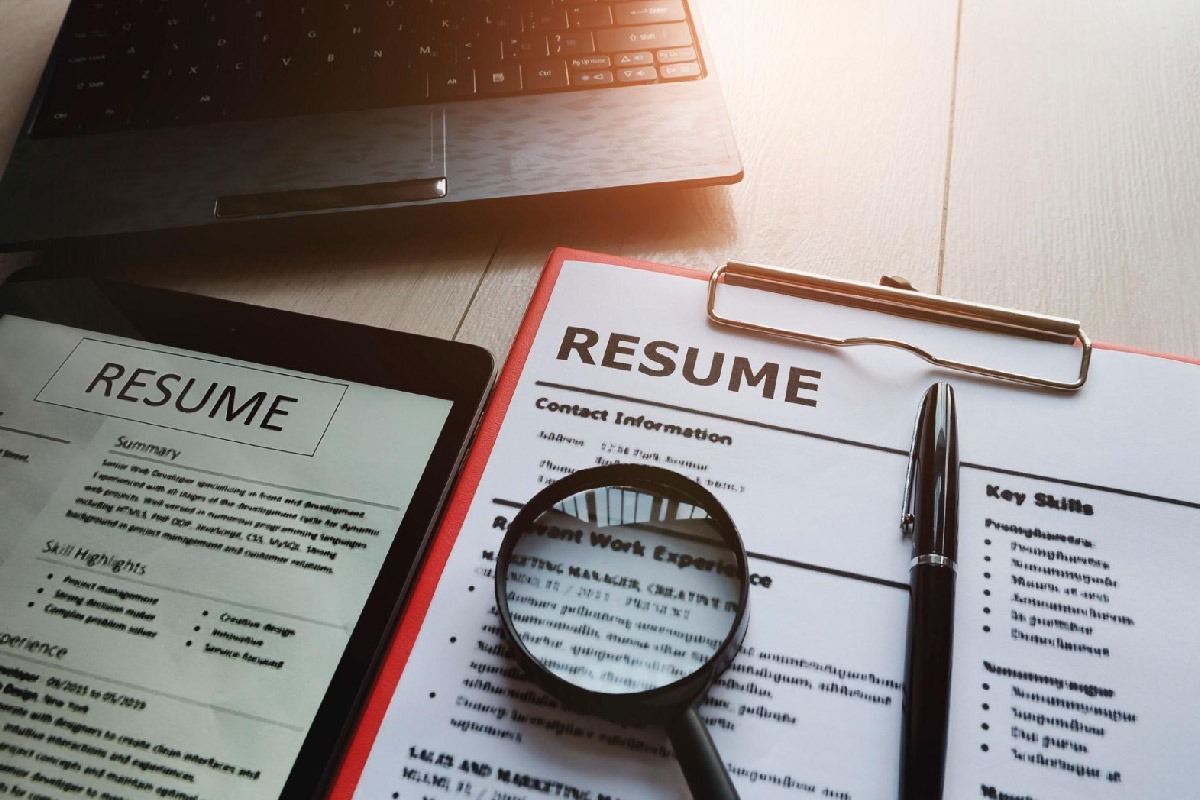
Resume fraud is a growing concern across industries. Candidates may:
-
Exaggerate qualifications
-
Submit fake certificates
-
Claim degrees from unaccredited institutions
Without proper education verification in background checks, these discrepancies often go unnoticed.
In sectors like IT, financial services, healthcare, and government, hiring unqualified candidates can lead to serious compliance and operational issues.
2. Fake Degrees and False Certification Claims: A Growing Hiring Risk
Fake degrees and false certification claims are a growing risk in today’s hiring landscape, driven by easy access to digital documents and online credentials. Candidates may present unaccredited degrees, forged mark sheets, or claim certifications that are expired or never earned. Without structured education verification, such discrepancies are hard to detect during routine hiring. Professional background verification companies address this by validating credentials directly with institutions, checking accreditation status, and cross-verifying certification records—ensuring that every claimed qualification is authentic, traceable, and reliable.
3. Reduces Financial and Operational Losses
A wrong hire impacts more than just recruitment costs. It can lead to:
-
Increased training and onboarding expenses
-
Project delays
-
Reduced team productivity
-
Client dissatisfaction
Replacing an employee adds further cost and time. Structured employee background verification services help avoid these preventable losses.
4. Ensures Legal and Regulatory Compliance
Many roles require mandatory educational qualifications under industry regulations or contractual agreements.
Failure to verify credentials can result in:
-
Regulatory penalties
-
Contract termination
-
Audit failures
-
Legal disputes
Education verification provides documented proof of due diligence, helping organizations stay compliant and audit-ready.
5. Protects Brand Reputation
Hiring candidates with falsified credentials can damage an organization’s credibility. Clients, investors, and partners expect companies to maintain strong hiring controls.
Skipping education verification can signal weak governance and risk oversight—something no enterprise can afford in today’s compliance-driven environment.
How Education Verification Works (Step-by-Step Process)
A typical education verification process followed by background verification companies includes:
-
Candidate Information Collection
Academic details and documents are collected from the candidate. -
Document Review
Certificates and transcripts are checked for inconsistencies. -
University/Institution Verification
Direct verification is conducted with universities or authorized bodies. -
Database Cross-Check
Information is validated against trusted academic databases where available. -
Verification Report Generation
A detailed report is generated with verified status, discrepancies (if any), and supporting evidence.
How Long Does Education Verification Take in India?
The timeline for education verification depends on multiple factors:
-
Indian universities: typically 5–10 working days
-
Autonomous or private institutions: 7–15 days
-
International verification: 10–20+ days
Delays may occur due to:
-
Manual verification processes
-
Unresponsive institutions
-
Incomplete candidate information
Partnering with experienced background verification companies can significantly reduce turnaround time.
When Is Education Verification Critical?
Education verification is especially important for:
-
Senior and leadership roles
-
Financial services and fintech positions
-
IT and cybersecurity jobs
-
Government and public sector projects
-
Remote and cross-border hiring
In these cases, the risk of misrepresentation is higher, and the impact of a bad hire is more severe.
Best Practices for Education Verification in Organizations
To build a strong hiring framework, organizations should:
-
Make education verification mandatory for all roles
-
Partner with reliable background verification companies
-
Standardize verification processes across departments
-
Conduct verification before onboarding (pre-offer or pre-joining stage)
-
Maintain proper documentation for audits and compliance
Consistency in execution strengthens governance and reduces hiring risks.
FAQs on Education Verification in Background Checks
1. What is education verification in a background check?
It is the process of validating a candidate’s academic qualifications with official institutions to ensure authenticity.
2. Is education verification mandatory in India?
While not legally mandatory for all roles, it is highly recommended and often required in regulated industries.
3. Can fake degrees be detected?
Yes. Professional background verification companies can identify fake or unaccredited degrees through institutional checks and databases.
4. What happens if a discrepancy is found?
The employer is notified, and the hiring decision may be reconsidered based on company policy.
The Strategic Value of Education Verification
Education verification is not just an administrative step—it is a strategic safeguard against hiring risks.
Organizations that invest in structured background screening services:
-
Improve hiring accuracy
-
Reduce compliance exposure
-
Strengthen workforce quality
-
Build long-term trust
In a risk-sensitive business environment, skipping education verification may save time initially—but the long-term consequences can be costly.
Because effective hiring is not just about speed—it’s about certainty.