





















A tweet went viral recently with a story every working professional instantly recognised. An employee referred a friend for a job, genuinely wanting to help someone they believed in. The friend struggled in the technical round. HR's response wasn't just to reject the candidate, it was to call the employee back in for a re-interview of their own.
It's a funny story. It's also a reminder of a genuine structural gap, one that has nothing to do with the recommender's intentions, and everything to do with why BGV (Background Verification) exists as a formal, independent process alongside trust and relationships, not instead of them.
Why the Story Went Viral
The reason this post struck a nerve is simple: almost everyone who has ever given a referral has felt this exact quiet nervousness afterward. Referrals come from a good place, you believe in someone, you want to open a door for them, and you're happy to put in a word. That's precisely what makes referrals valuable for getting someone a foot in the door.
But goodwill, however genuine, isn't the same thing as a verified fact. That's the real gap this story surfaces is not a lapse in judgment, just a limit on what any one person can independently confirm about another.
What a Referral Actually Tells You
A referral tells an employer that someone was liked and trusted. It says, "I know this person, I've worked with them or spent time around them, and I believe in them enough to put my name behind them." That's a genuine, valuable signal built on relationship and firsthand experience, not on formally checked records.
What a Referral Isn't Designed to Confirm
Even the most well-meaning referral isn't designed to independently confirm details like a candidate's exact job title, tenure, or responsibilities at a past company, because that isn't information a friend or colleague is typically in a position to verify, however much they trust the person. The same goes for degrees and qualifications. Referrals run on relationship and instinct; verification runs on records. Both have their place, they're just not interchangeable.
The Real Gap: Referral vs. Verification
This is where the HR team in the viral story found itself in an awkward spot, not because anyone acted in bad faith, but because without an independent record to lean on, the only information available was personal opinion. A proper verification process exists precisely so that a well intentioned recommender is never put in that position in the first place, and HR never has to lean on anything but facts.
This is the exact gap that structured BGV is built to close.
Employment and Educational Verification
Where a referral relies on a friend's memory of "they were great to work with," Employment Verification independently confirms the roles, tenure, and responsibilities a candidate has actually held. Educational Verification does the same for degrees and qualifications, checking them against the institutions themselves, not the resume.
Reference Verification Is Not the Same as a Referral
This distinction matters more than most hiring teams realise. A referral is one person's informal, personally-invested opinion. Reference Verification, by contrast, is structured and independent. The right questions, asked to the right people, in a consistent format, so the answer isn't shaped by friendship or favour.
Court Records, Address, and Identity Checks
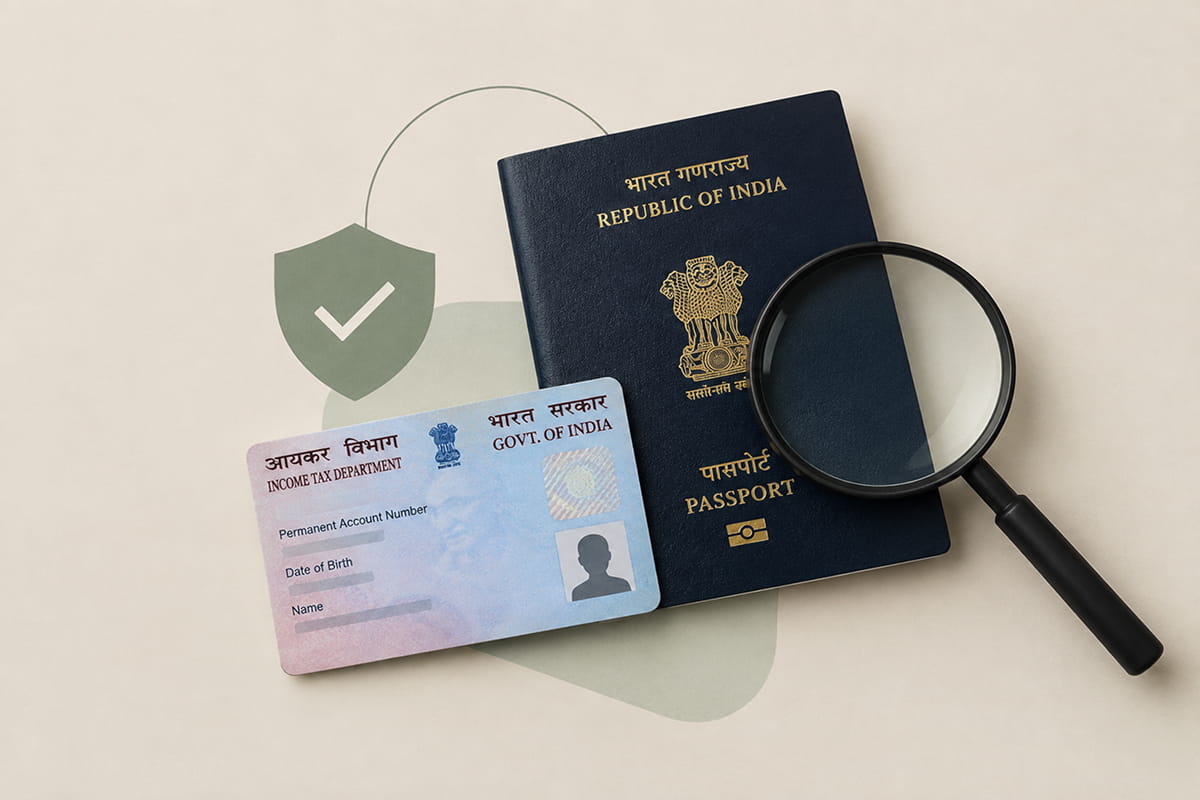
Beyond employment and education, thorough BGV also includes court record checks, address verification, and identity documentation (PAN/passport), data points a referral was never in a position to provide in the first place, no matter how well the recommender knows the candidate.
Why This Matters Beyond One Bad Hire
When a referred hire doesn't work out, the ripple effects can extend beyond the candidate, which is unfair to a recommender who acted in good faith and simply didn't have access to the same facts a formal check would surface. A single unverified bad hire can also translate into real cost for the company that lost productivity, compliance exposure, and in more serious cases, reputational damage that outlasts one hiring cycle.
Verification exists so that good intentions are backed by good data, protecting the candidate, the recommender, and the company all at once.
Referrals Get You a Chance. Verification Confirms It Was Deserved.
Referrals and BGV aren't in competition, they solve different problems. A referral decides who gets a chance. Verification confirms whether that chance was well-founded, using facts instead of familiarity. The two work best together, not as substitutes for one another.
A referral tells you someone was liked. A verification tells you someone was checked.
Referrals aren't verification. BGV is.
FAQs
What is BGV in hiring?
BGV, or Background Verification, is the process of independently confirming a candidate's employment history, education, identity, address, and other background details before or after hiring,rather than relying solely on what's stated in a resume or referral.
Is a referral enough to skip background verification?
No. A referral reflects someone's personal trust in a candidate, but it doesn't independently confirm facts like past job titles, tenure, or educational qualifications. BGV is still necessary even for referred candidates.
How long does a typical background verification take?
Turnaround time varies by scope, but a standard BGV process usually takes around 10 to 15 working days, depending on how many checks are involved and how quickly past employers or institutions respond.
What does a background check usually include?
A standard BGV process typically covers employment verification, educational verification, address verification, identity documents (PAN/passport), and criminal or court record checks, depending on the role and company requirements.
Why do companies need BGV if they already trust their hiring managers' judgment?
Hiring managers and employees can only vouch for what they personally know or remember. BGV adds an independent, factual layer that protects the company, the hiring team, and the recommender from risks that trust alone can't catch.