

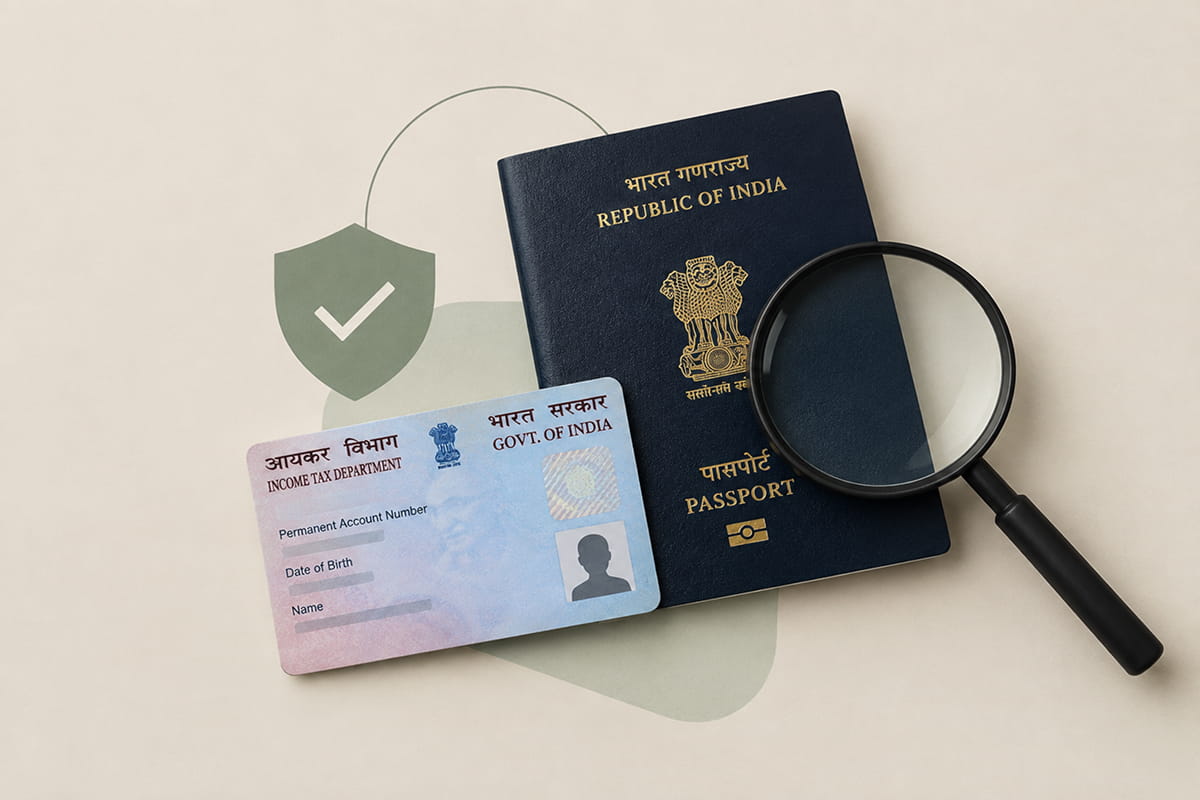


























Background verification involves handling sensitive personal information, which means employers have specific responsibilities around consent and transparency. Understanding what must be disclosed to candidates is a core part of conducting employment verification responsibly and in line with expected practices.
Why Consent Matters in Background Verification
Legal and Ethical Foundations
Collecting and processing a candidate's personal information without clear consent raises both legal and ethical concerns, regardless of the intent behind the verification process.
Building Candidate Trust
Transparent communication about the verification process can help candidates feel more confident in the hiring process, rather than viewing it as an intrusive or opaque exercise.
What Employers Should Disclose to Candidates
The Scope of Verification
Candidates should be informed about which specific checks will be conducted as part of the employment verification process, such as employment history, education, address, or criminal record checks.
How Information Will Be Used
Employers should clarify how the information gathered will be used in the hiring decision, rather than leaving candidates uncertain about its purpose.
Who Will Have Access to the Information
Candidates should understand which parties, internal or external, will have access to their verification results, and how that information will be handled and stored.
Obtaining Proper Consent
Written and Informed Consent
Consent should generally be obtained in writing, with candidates given a clear understanding of what they are agreeing to before the verification process begins.
Consent Should Precede Verification
Employers should ensure consent is obtained before any checks are initiated, rather than treating it as a formality completed after the fact.
Candidate Rights During the Verification Process
The Right to Be Informed
Candidates generally have the right to know that a background check is being conducted and what it involves, as part of a fair employment verification process.
The Right to Respond to Findings
Where a check surfaces information that could affect a hiring decision, candidates should typically have an opportunity to clarify or provide context before a final decision is made.
The Right to Data Privacy
Candidates' personal information should be handled securely, accessed only by authorised individuals, and retained only for as long as necessary.
Why This Matters for Employers
Reducing Legal Risk
Failing to obtain proper consent or disclose relevant information can expose employers to legal risk, particularly as data protection regulations continue to evolve.
Supporting a Fair Hiring Process
Transparent consent practices help ensure that background verification is conducted fairly, rather than being used in ways candidates were not aware of or did not agree to.
FAQ's
Is candidate consent legally required for background verification in India?
While specific requirements can vary, obtaining clear candidate consent is considered standard practice and is increasingly relevant under evolving data protection regulations.
What should be included in a consent disclosure?
Employers should disclose the scope of checks being conducted, how the information will be used, and who will have access to the results.
Can candidates refuse background verification?
Candidates can generally decline, though this may affect their candidacy for the role, depending on the employer's hiring requirements.
Do candidates have the right to see their background check results?
Depending on the process and applicable regulations, candidates may have the right to review findings and respond before a final decision is made.
How long can employers retain background verification data?
Employers should retain such information only for as long as necessary for the hiring decision and applicable legal requirements, with appropriate security controls in place.