























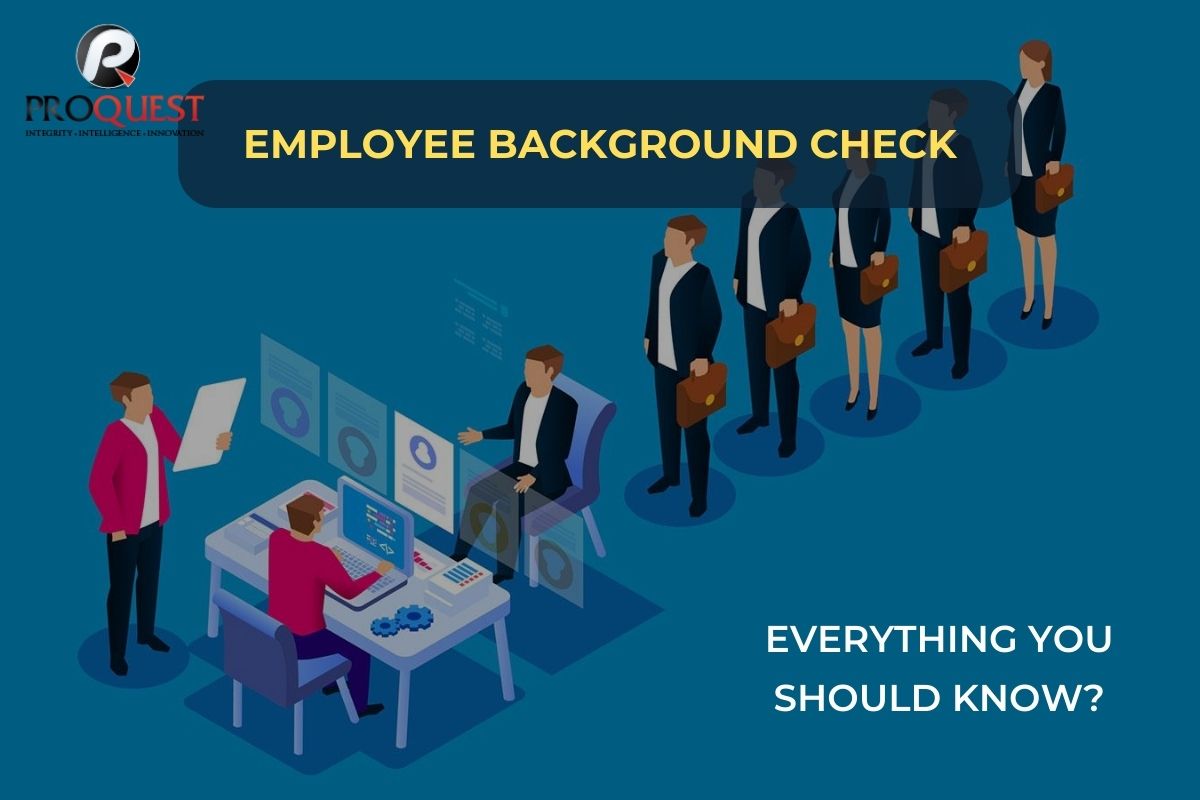

Hiring the right employee involves more than assessing skills, qualifications, and experience. Businesses also need to consider the risks associated with giving new employees access to customers, company assets, confidential information, and internal systems.
Criminal background checks for employees can form one part of a broader pre-employment screening process, helping organisations identify relevant information before making a hiring decision. When conducted responsibly and in line with applicable laws and privacy requirements, these checks can support safer and more informed recruitment, a core part of how ProQuest approaches employee background verification.
Why Hiring Risk Matters to Businesses
Every new hire represents a level of responsibility for an organisation. Depending on the role, employees may handle financial transactions, sensitive customer information, valuable equipment, or confidential business data.
A Resume Cannot Reveal Everything
Resumes and interviews are useful for evaluating a candidate's professional suitability, but they are not designed to establish every aspect of a candidate's background.
For certain roles, employers may therefore need additional information before completing the hiring process. Appropriate screening can help identify information that may require further review.
The Risk Varies by Role
Not every position presents the same level of risk. A role involving access to financial systems may require different screening from a position with limited access to company information.
Organisations should therefore determine screening requirements based on the responsibilities and sensitivity of each position rather than applying a one size fits all approach.
What Are Criminal Background Checks?
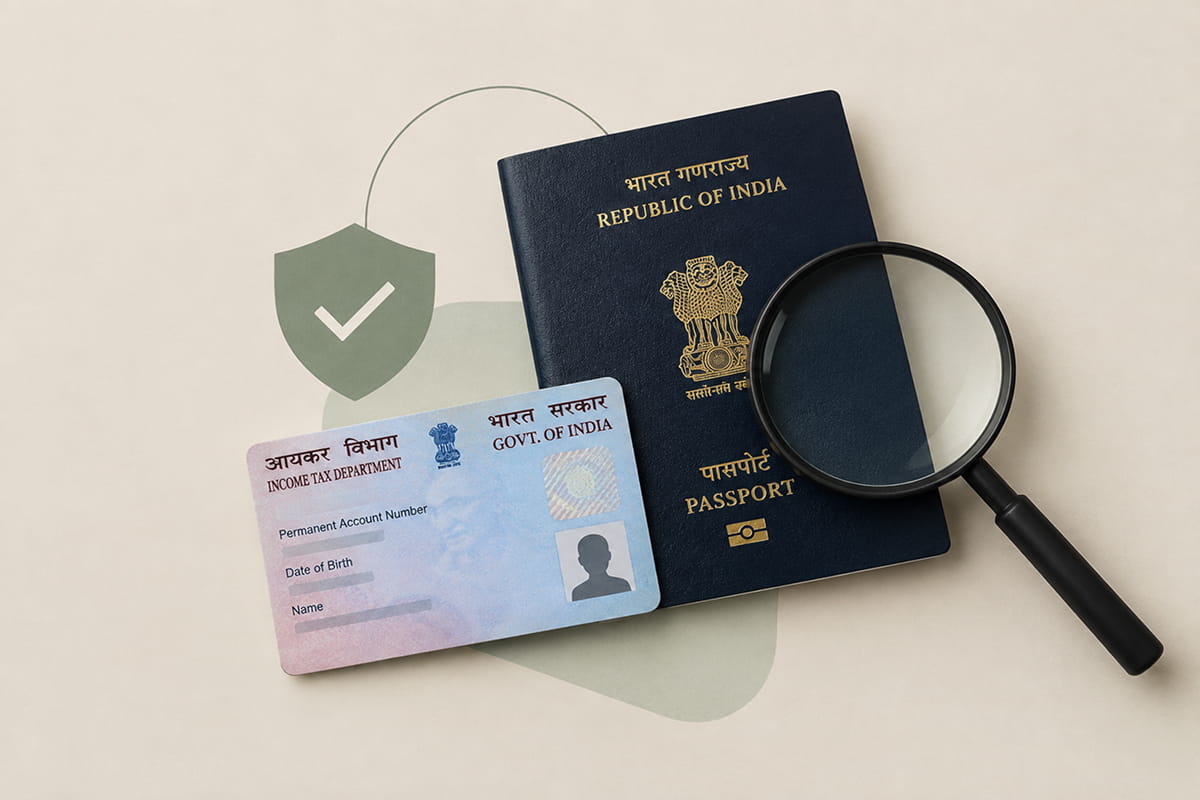
Criminal background checks are checks designed to identify relevant criminal records or court-related information associated with an individual, subject to the legal and procedural requirements applicable to the jurisdiction.
The exact process can vary depending on the location, available records, nature of the role, and the screening provider.
Why Verification Matters
Simply receiving information about a potential record is not enough. Employers need reliable processes for confirming information and distinguishing an accurate record from an incorrect match.
Factors such as names, dates of birth, locations, and other identifying details may need to be considered to reduce the risk of confusing one individual with another.
How Criminal Screening Can Protect Your Business
Reducing Potential Security Risks
For positions involving sensitive information, vulnerable individuals, financial responsibilities, or valuable assets, appropriate screening can provide employers with additional information when assessing potential risks.
Protecting Customers and Employees
Businesses have responsibilities towards their customers, employees, and other stakeholders. Depending on the role and circumstances, appropriate pre-employment screening can form part of broader workplace safety and risk-management practices.
Protecting Company Assets
Employees may have access to company property, financial systems, intellectual property, or confidential records. Screening can be one component of a wider system, such as ProQuest's background verification services, designed to protect these assets.
Supporting Informed Hiring Decisions
A criminal record should not automatically determine whether someone is suitable for employment. Employers need to consider the relevance, context, recency, and applicable legal requirements before making a decision.
The purpose of screening is to provide relevant information, not to replace professional judgement.
Why Accuracy Matters in Criminal Screening
Criminal screening needs to be handled carefully because incorrect information can have serious consequences for a candidate.
Avoiding False Matches
Two people can share similar or identical names. A reliable screening process should use appropriate identifying information and verification procedures before associating a record with a candidate.
Reviewing Results in Context
A result may require additional investigation or clarification. Employers should avoid making decisions based solely on an unverified or incomplete result.
Giving Candidates an Opportunity to Respond
Where appropriate, candidates should have an opportunity to clarify potentially inaccurate information or provide relevant documentation before an employment decision is finalised.
Privacy and Legal Considerations
Criminal screening involves highly sensitive personal information. Businesses should therefore understand the laws and regulations applicable to their location and hiring process before conducting such checks.
Obtain Appropriate Consent
Candidates should be informed about the screening process and provide any consent required under applicable law.
Limit Access to Sensitive Information
Screening information should only be available to authorised individuals who need it for legitimate employment-related purposes.
Store Information Securely
Organisations should have appropriate controls for storing, transferring, and eventually disposing of sensitive screening information.
When Should Businesses Consider Criminal Screening?
Criminal screening may be particularly relevant for roles involving:
- Financial transactions or significant financial authority
- Sensitive customer or employee information
- Access to critical systems
- Valuable physical assets
- Vulnerable populations
- High levels of responsibility or trust
However, screening requirements should always be determined according to the role and applicable legal requirements.
FAQ's
Are criminal background checks necessary for every employee?
Not necessarily. The need for screening can depend on the position, responsibilities, industry, location, and applicable legal requirements.
Does a criminal record automatically mean a candidate cannot be hired?
No. Employers should consider the relevant laws and the circumstances of the record, including whether it is relevant to the position, before making an employment decision.
How can companies avoid false criminal record matches?
Using multiple identifying details and reliable verification procedures can help reduce the risk of incorrectly associating a record with the wrong individual.
Can candidates challenge incorrect information?
Depending on the process and applicable law, candidates may have opportunities to dispute inaccurate information or provide clarification.
How should businesses handle screening information?
Sensitive information should be collected responsibly, accessed only by authorised personnel, protected through appropriate security measures, and retained only as permitted or required. To learn more about how these checks are conducted, visit ProQuest.