














Introduction
As hiring complexity increases, organizations often face a key decision: should they rely on background check companies or conduct screening internally? Both approaches aim to validate candidate information, but they differ significantly in accuracy, scalability, compliance, and efficiency. With hiring risks such as fake experience, identity fraud, and compliance challenges becoming more common, choosing the right verification approach has become critical for building a trustworthy workforce.
Understanding In-House Background Screening
Many organizations perform basic verification through internal HR teams.
This typically includes:
- Reference checks via phone or email
- Employment confirmation emails
- Document review
- Basic identity validation
While this approach may work for small scale hiring, it often depends heavily on HR bandwidth and manual processes.
From an experience perspective, in-house screening is often limited by time, verification reach, and consistency.
What Background Check Companies Do Differently
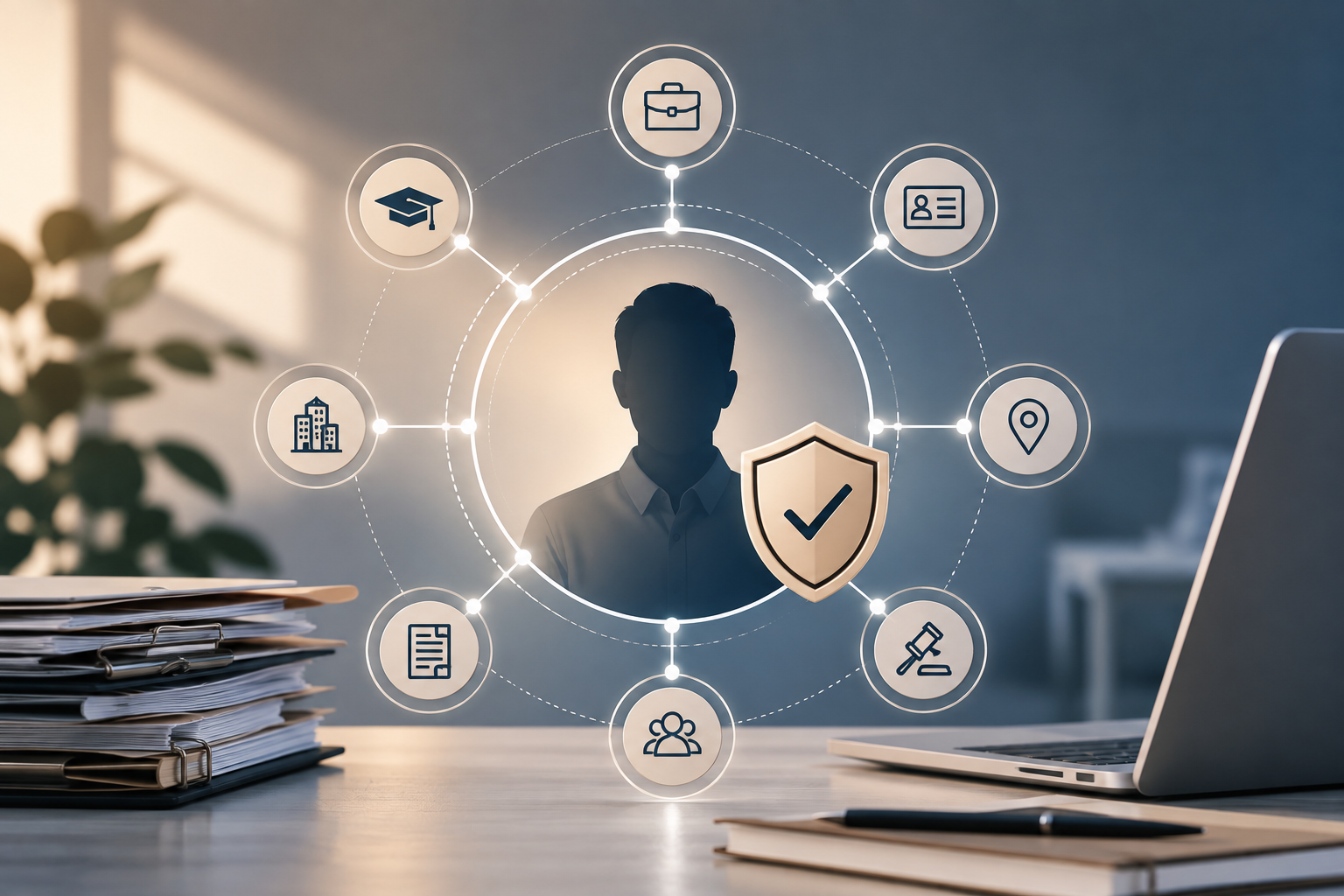
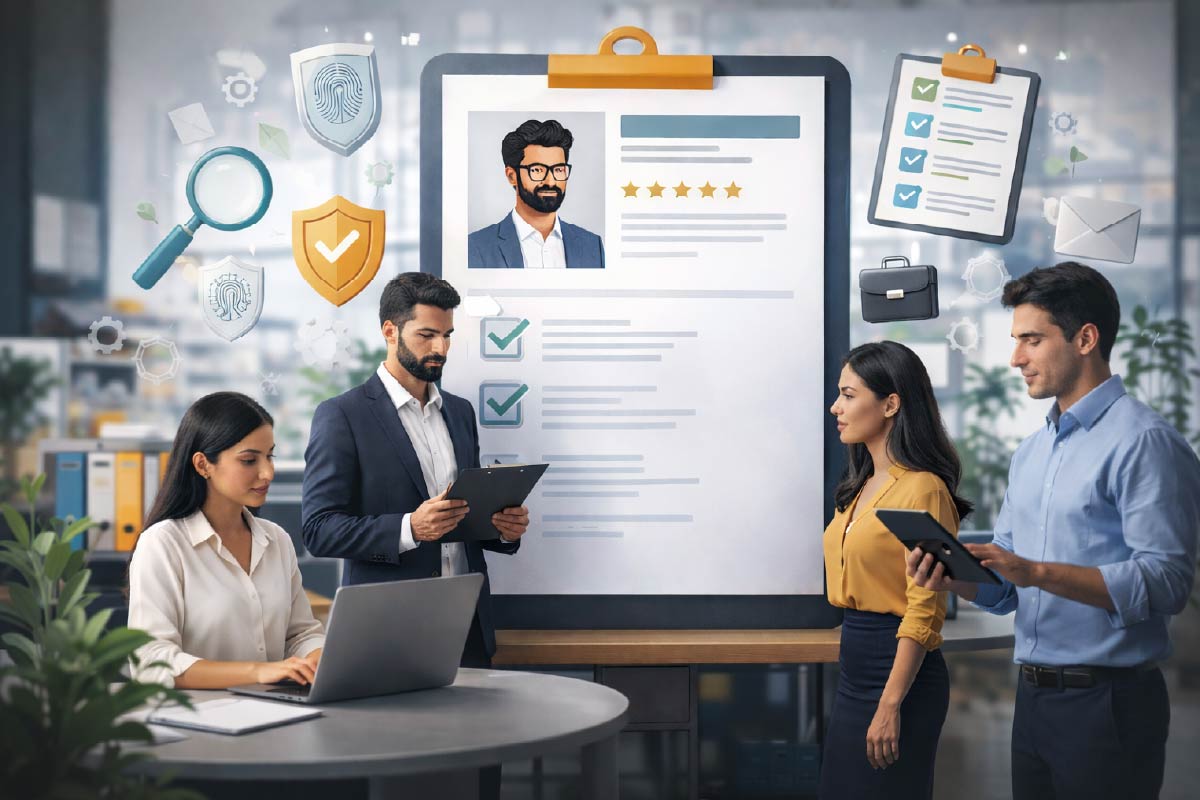
Background check companies specialize in structured verification processes using dedicated systems, trained verification teams, and employer networks.
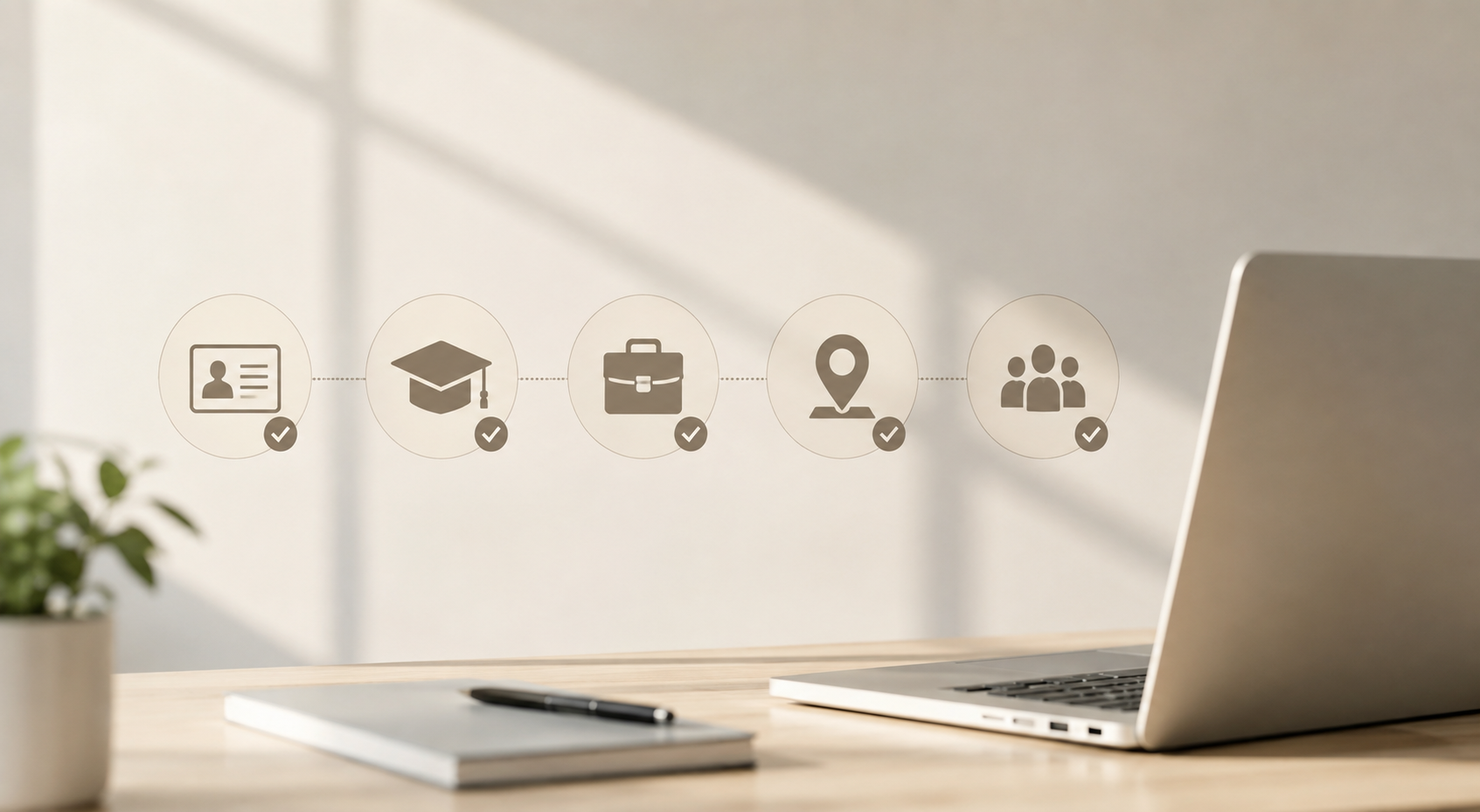
Their services typically include:
- Employment verification
- Education validation
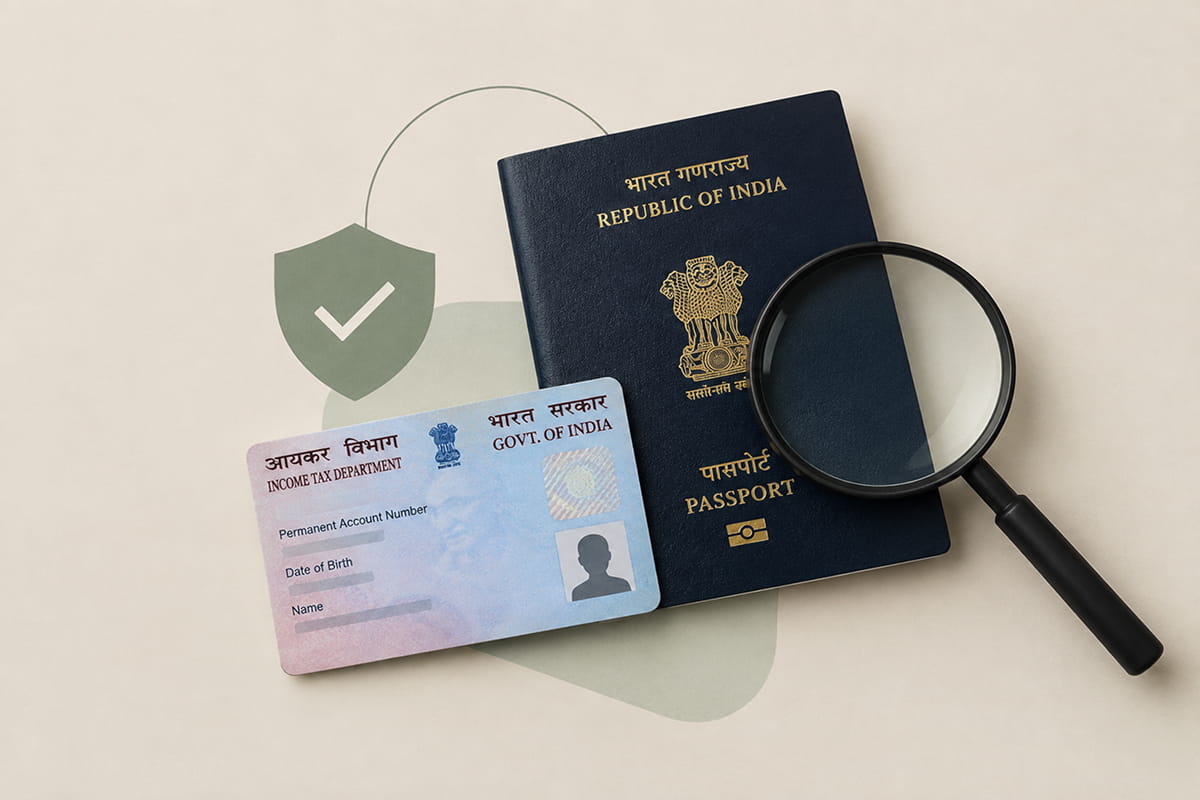
- Identity and address checks
- Criminal record screening (where applicable)
- Reference verification
These providers operate with standardized workflows designed to reduce human error and improve consistency.
Key Differences Between Background Check Companies and In-House Screening :
-
Accuracy and Reliability: They follow structured verification frameworks that reduce dependency on informal checks. In-house teams may rely on limited contact points or manual confirmation methods.
-
Scalability: For organizations hiring at scale, these providers offer the ability to process large volumes efficiently. In-house screening can become resource-intensive as hiring increases.
-
Turnaround Time: Specialized providers often have established systems that improve verification speed without compromising quality
-
Compliance and Risk Management: Such providers are typically aligned with industry regulations and data protection requirements, reducing compliance risks.
-
Cost Consideration: While in-house screening may seem cost-effective initially, hidden costs such as HR time, delays, and potential hiring errors can increase overall expense.
Why Structured Verification Matters
From a trust and authoritativeness standpoint, hiring decisions must be based on verified data rather than assumptions. Background check companies provide independent validation, ensuring that employment history and credentials are factually accurate.
Expertise in verification comes from experience handling diverse industries, complex employment histories, and large-scale hiring requirements. This makes structured providers more consistent in identifying discrepancies that internal teams may overlook.
When In-House Screening Work
In-house screening can be effective when:
- Hiring volume is low
- Roles are temporary or short-term
- Verification requirements are minimal
- HR teams have sufficient bandwidth
It works best as a lightweight validation layer rather than a full-scale verification system.
When Background Check Companies Are Better
Background check companies are more suitable when:
- Hiring at scale
- Recruiting for sensitive or regulated roles
- Managing remote or global hiring
- Requiring standardized verification processes
- Reducing hiring risks is a priority
For growing organizations, outsourcing verification ensures consistency and reliability.
Hybrid Approach: A Practical Middle Ground
Many organizations adopt a hybrid model where:
- HR manages recruitment and interviews
- Background check companies handle verification
This balances efficiency with accuracy while allowing HR teams to focus on talent acquisition rather than manual validation.
Conclusion
Both in-house screening and background check companies play important roles in hiring. However, as hiring risks increase and workforce structures become more complex, structured verification partners offer stronger advantages in accuracy, scalability, and compliance. For organizations aiming to reduce hiring risk and build a trustworthy workforce, professional verification partners provide a more reliable and efficient solution.
FAQs
What are background check companies?
They are specialized providers that conduct structured candidate verification across employment, education, identity, and other checks.
Is in-house screening effective?
It can work for small-scale hiring but may lack consistency and scalability.
Which is more accurate?
Background check companies generally provide more structured and reliable verification.
Can companies use both methods?
Yes, many organizations use a hybrid approach combining HR screening with external verification providers.