





















Introduction
Employee background verification services play a critical role in helping organizations validate candidate information before hiring. In today’s competitive recruitment landscape, resumes alone are no longer reliable indicators of truth. Candidates may present inflated experience, incomplete employment histories, or inaccurate credentials that can significantly impact hiring decisions. Employee background verification services help companies verify employment history, education, identity, and other key details to reduce hiring risks and ensure informed decision-making. As organizations scale and hire across locations, structured verification has become an essential part of building a trustworthy and compliant workforce.
Why Background Verification Has Become Essential in Modern Hiring
Hiring today is faster, more competitive, and increasingly remote. While this has expanded access to talent, it has also introduced new risks in verifying candidate authenticity.
- Organizations commonly face:
- Misrepresentation of employment history
- Fake or inflated job roles
- Unverified educational qualifications
- Identity mismatches
- Compliance-related risks in regulated industries
From an operational standpoint, these risks are not always visible during interviews, making structured verification necessary before onboarding.
In practice, employee background verification services act as a reliability layer between what candidates claim and what is factually verified through official records and employer confirmations.
What Employee Background Verification Services Include
Employee background verification services typically involve multiple layers of screening designed to validate different aspects of a candidate’s profile.
- Employment Verification
Confirms previous companies, job roles, tenure, and employment authenticity through HR or official records. - Education Verification
Validates degrees, certifications, universities, and academic claims. - Identity Verification
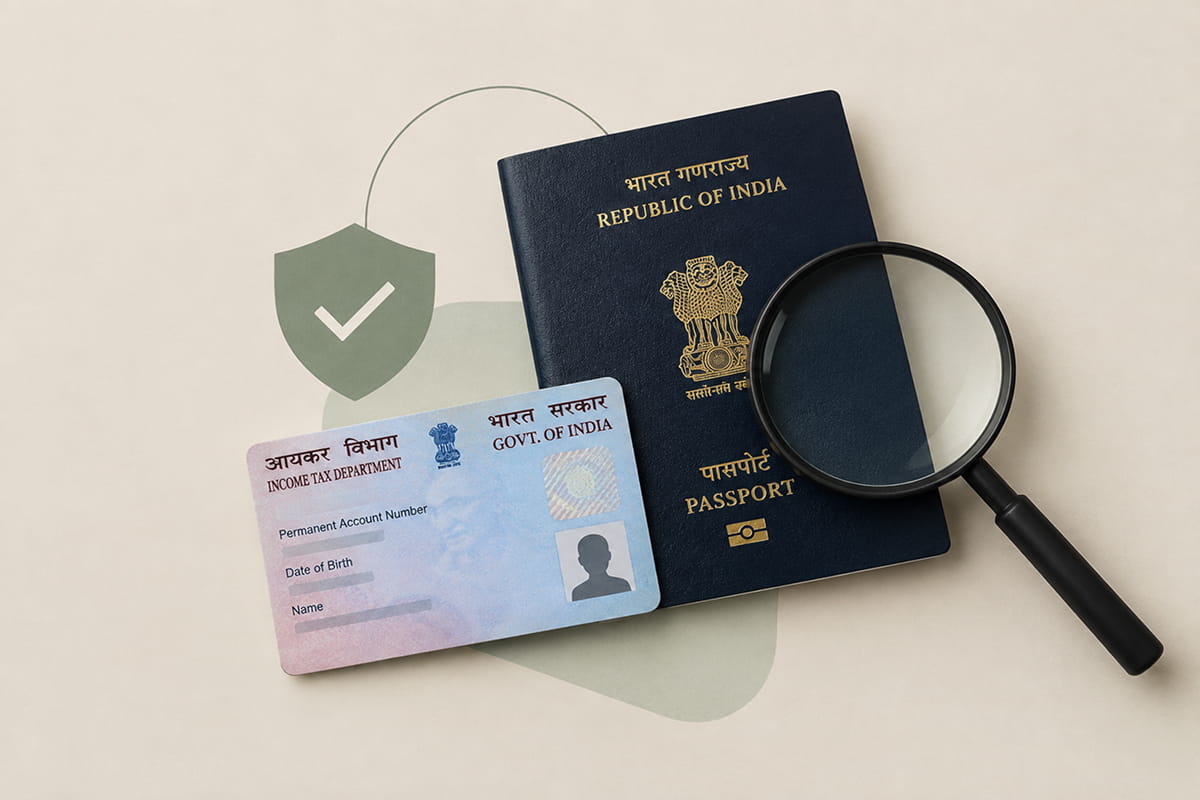
Checks government-issued IDs and ensures consistency of personal details. - Address Verification
Confirms residential history through documented or field verification methods. - Criminal Record Checks
Where legally permitted, screens publicly available records to ensure workplace safety. - Reference Verification
Validates professional references to understand work behavior and past performance.
Each of these checks contributes to building a complete and verified candidate profile.
How Employee Background Verification Services Reduce Hiring Risk
From an EEAT perspective, hiring decisions must be based on reliable, verifiable information. Background verification ensures this by introducing structured validation into recruitment workflows.
- Reducing Hiring Fraud
Verification helps detect inflated experience, fake employment claims, or manipulated documents before onboarding. - Strengthening Decision Accuracy
HR teams gain factual insights instead of relying solely on interview responses or resumes. - Protecting Organizational Reputation
Hiring individuals with false credentials can damage client trust and brand reputation. - Supporting Regulatory Compliance
Industries like BFSI, healthcare, and logistics require strict compliance-driven hiring practices. - Improving Workforce Reliability
Verified employees tend to create more stable, predictable, and accountable teams.
The Business Cost of Skipping Verification
Skipping background verification may appear to save time during hiring, but the long-term impact can be significant.
A poor hire can result in:
- Increased attrition
- Reduced team productivity
- Delayed project delivery
- Higher onboarding and training costs
- Client dissatisfaction in delivery-based roles
From an expertise standpoint, HR studies consistently show that hiring mistakes cost significantly more than preventive verification processes.
What Makes a Reliable Verification Process
A strong employee background verification system is built on accuracy, consistency, and independent validation.
Key elements include:
- Direct HR verification with previous employers
- Cross-checking payroll or employment records
- Structured document validation systems
- Independent third-party verification agencies
- Secure handling of sensitive candidate data
Trustworthiness in verification is achieved when multiple independent sources confirm the same employment details.
Conclusion
Employee background verification services are no longer optional in modern hiring. They are essential for ensuring that recruitment decisions are based on verified facts rather than assumptions. By validating employment history, education, identity, and other key details, organizations can significantly reduce hiring risks and build a more reliable workforce. As hiring becomes more complex and competitive, structured verification remains one of the most effective tools for ensuring workforce integrity.
FAQs
1. What are employee background verification services?
They are structured processes used to verify a candidate’s employment history, education, identity, and other credentials before hiring.
2. Why is employee background verification important?
It helps reduce hiring risks, prevents fraud, and ensures accurate hiring decisions.
3. When is background verification done?
Typically after offer acceptance and before onboarding.
4.What checks are included in employee verification?
Employment, education, identity, address, criminal, and reference checks.